Blog
Dubai Design District: A Visitor’s Guide to Dubai’s Creative Quarter
September 24, 2026
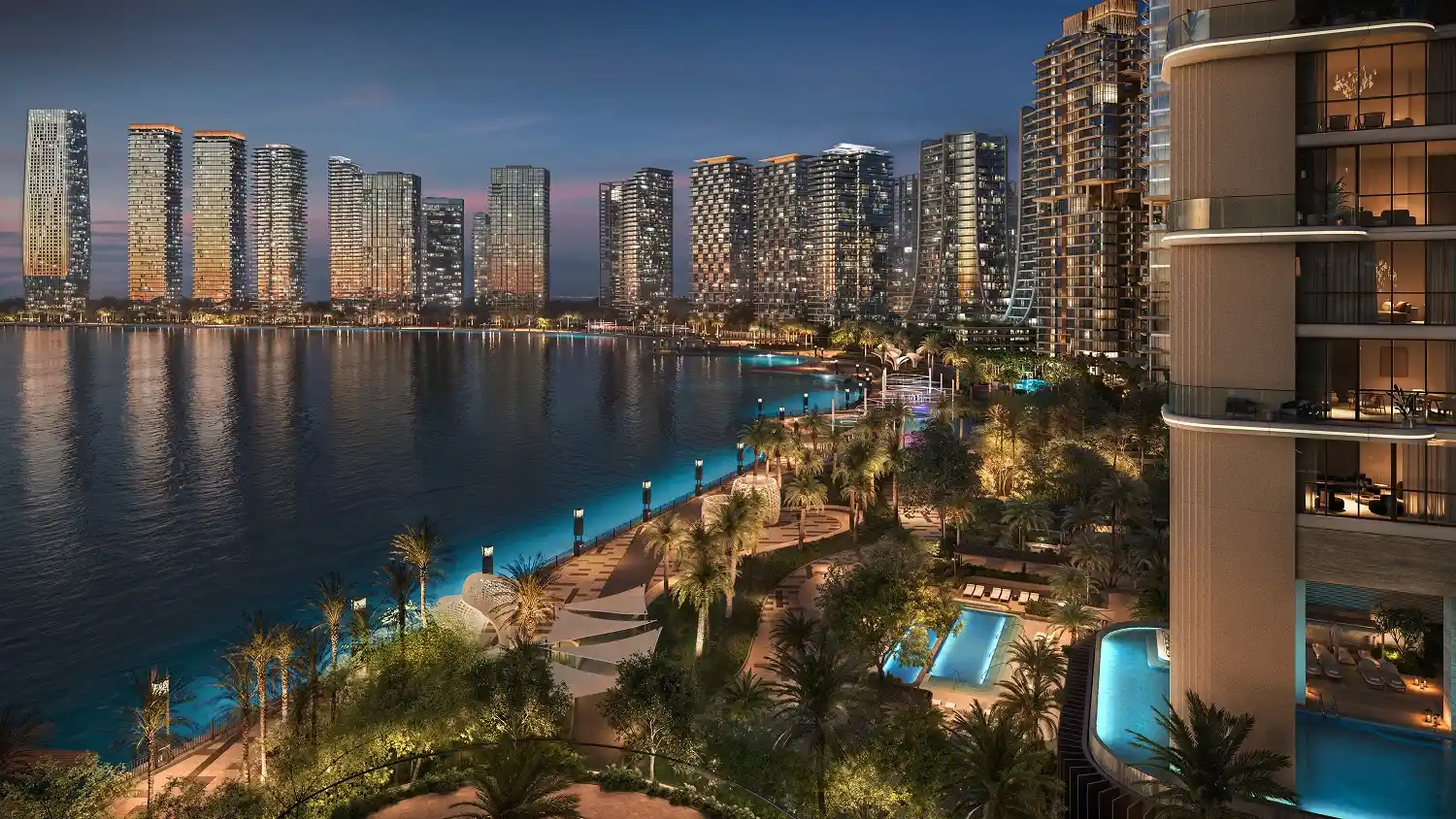
Most first-time visitors to Dubai stick to the obvious stops. The Burj Khalifa, the beaches, the malls, maybe a desert safari. All worth doing. But if you’ve got a spare morning or an evening free and you want to see a side of the city that isn’t in every guidebook, Dubai Design District is a good place to point yourself.
Locals just call it d3. It sits behind Business Bay, a few minutes from Downtown, and it’s the part of Dubai where the architects, artists, fashion people and furniture designers actually work. Low-rise blocks, wide walkable streets, galleries and showrooms at street level, cafes on every corner. No mall, no ticket, no queue.
This guide covers what d3 actually is, how to get there, what’s worth your time once you arrive, and when to go.
Table of Contents
1. What Is Dubai Design District?
d3 is a purpose-built creative district that opened in 2015. It was designed as a home base for the region’s design industry, so the tenants are studios, agencies, fashion labels, architecture practices and furniture brands rather than the usual mix of chain retail.
What that means for a visitor is a neighbourhood that feels different from the rest of the city. The buildings are low, the streets are pedestrian-friendly, and there’s public art scattered around that you’ll walk past without meaning to. It’s one of the few parts of Dubai where wandering with no plan actually works.
It’s also free. You can spend two or three hours there without paying for anything except coffee.
2. Where Is d3 and How Do You Get There?
d3 sits on the Dubai Creek side of Business Bay, roughly a ten-minute drive from Downtown Dubai and the Burj Khalifa.
By taxi or ride-hailing: easiest option, and short from most central hotels.
By Metro: Business Bay station on the Red Line is the closest stop, but it’s not a comfortable walk in warmer months. Most people take a short taxi from the station.
By bus: several routes run through Business Bay. If you’re planning to use public transport more widely during your trip, our guide to Dubai bus routes explains how the network connects to the Metro.
By car: there’s free surface parking throughout the district, which is rare enough in Dubai to be worth mentioning.
3. The Block: d3’s Waterfront Park
The Block is the outdoor recreation area at the front of the district, facing the water. It’s got a skate park, basketball and volleyball courts, climbing walls, an urban beach section and plenty of shaded seating.
It’s a genuinely relaxed spot, and the crowd is a mix of skaters, design students, office workers on a break and families. If you’re travelling with teenagers who’ve had enough of malls, this is a decent release valve.
Go late afternoon or after sunset. Middle of the day in summer is not the move.
4. Galleries and Public Art
d3 has a rotating mix of galleries, and part of the appeal is that you don’t need to research anything in advance. Walk the main courtyards and you’ll pass exhibition spaces, pop-ups and installations without looking for them.
The galleries here lean contemporary and regional, so you’ll see work from Emirati and wider Middle Eastern artists that doesn’t get much exposure elsewhere. Most are free to enter and quiet enough that you can actually look at things properly.
Worth knowing: gallery hours here are shorter than mall hours, and some spaces close on Sundays. If a specific gallery is your reason for going, check before you travel.
5. Cafes and Restaurants in d3
This is one of the better eating areas in the city, mostly because it avoids the fast-food chains almost entirely. Independent coffee shops and homegrown restaurant concepts make up most of the district.
You’ll find specialty coffee roasters, all-day cafes with outdoor seating, a Japanese street-food hall, Mediterranean spots and a handful of licensed restaurants. Prices sit somewhere below Downtown and well below Palm Jumeirah.
Best for:
- Specialty coffee
- Brunch and casual lunches
- Outdoor seating in cooler months
- Somewhere to work with a laptop
- Dinner without a resort mark-up
6. Concept Stores, Showrooms and Design Studios
Shopping in d3 is nothing like shopping in Dubai Mall. There are no big brand flagships. Instead you get concept stores, independent labels and design showrooms, and most of them are open to walk-ins whether or not you’re buying.
The furniture and interiors showrooms are the surprise for a lot of visitors. These are working spaces where the region’s design studios source and display pieces, so browsing them is more like visiting a small exhibition than a shop. Even if you’re only in Dubai for a week, they’re an interesting look at where the city’s aesthetic actually comes from.
It’s also the point at which a lot of people start asking a different question. Dubai has a way of turning a holiday into a house hunt, and visitors who end up buying or renting here often want the same look they saw in a d3 showroom applied to an actual home. That work mostly happens out in the villa communities rather than in the district itself. If you’re curious about how it translates from showroom to living room, studios specialising in interior design in Dubai Hills handle exactly that kind of residential project.
For most visitors, though, it stays a browsing exercise, and that’s fine. The showrooms are worth an hour on their own.
7. Dubai Design Week and Downtown Design
If you can time your trip around it, Dubai Design Week is the biggest reason to visit d3. It’s the region’s largest creative festival, running for six days every November, with installations, talks, workshops and markets spread across the district. Most of the programme is free.
The anchor event is Downtown Design, the Middle East’s leading contemporary design fair, which brings in hundreds of brands and independent designers from around the world.
2026 dates:
- Dubai Design Week: 3 to 8 November 2026
- Downtown Design: 4 to 8 November 2026
November is also one of the best months to be in Dubai weather-wise, so the timing works in your favour. Book accommodation early if you’re coming specifically for it, because the whole city is busy that month.
8. Best Time of Day and Year to Visit
Time of day: late afternoon into the evening. The district is quiet in the morning, busiest after 5pm when offices empty out and the cafes fill up. Evening is also when the lighting and the installations look their best.
Time of year: November through March. d3 is an outdoor, walkable district, which is its strength in winter and its weakness in July. Between June and September you’ll be moving between air-conditioned spaces rather than strolling.
How long to allow: two to four hours covers it comfortably. A full day if there’s an event on.
9. Combining d3 With Nearby Attractions
d3 works well as a half-day add-on rather than a standalone trip, because it’s close to several things you’re probably already planning to see.
- Downtown Dubai and Dubai Mall: roughly ten minutes by car. Our guide to Dubai attractions near Dubai Mall covers what else is in walking distance once you’re there.
- Business Bay and the Dubai Water Canal: the canal promenade is a good evening walk and it’s right next door.
- City Walk: a short drive, and a decent contrast if you want more conventional shopping afterwards.
- Jumeirah beaches: around fifteen minutes by car.
A common pairing is d3 in the late afternoon, dinner in the district, then Downtown for the Dubai Fountain in the evening.
10. Where to Stay if You Want to Be Close
There aren’t many hotels inside d3 itself, but Business Bay and Downtown Dubai are both within a few minutes and offer plenty of options across price ranges.
Business Bay tends to be slightly better value than Downtown while still being central, and it puts you close to both d3 and the canal. Downtown gives you Burj Khalifa and Dubai Mall on your doorstep at a higher nightly rate.
If you’re still deciding on a base for your trip, our guide to where to stay in Dubai for first-time visitors the main areas in more detail.
11. Is d3 Worth Visiting? Who It Suits
Honest answer: it depends on the trip you’re having.
Go if you:
- Like art, architecture, fashion or design
- Want to see a part of Dubai that isn’t built for tourists
- Are looking for good independent coffee and food
- Have a spare afternoon and want somewhere walkable
- Are visiting in November during Design Week
Maybe skip it if you:
- Only have two or three days and haven’t seen the headline attractions yet
- Are travelling with young children who need structured activities
- Are visiting in peak summer and would rather stay indoors
- Are mainly in Dubai for the beach
Final Thoughts
Dubai Design District isn’t going to top anyone’s list of must-see attractions, and it doesn’t try to. What it offers is a couple of hours in a version of Dubai that feels lived-in rather than staged, with decent food, free galleries and a park by the water.
For anyone with an interest in design, or anyone who’s simply had enough of malls by day four, it’s one of the easiest and cheapest additions you can make to a Dubai itinerary. Go late in the day, walk without a plan, and stop for coffee when you find somewhere you like the look of.

Hi! We’re the Travel Blog Dubai Team — passionate travelers who explore Dubai every day to bring you honest tips, best places to visit, budget ideas, and real experiences.Whether you’re planning your first trip or you live in the UAE, our guides help you discover the best of Dubai, hassle-free.