Blog
Sonapur Dubai: The Complete 2026 Area Guide (Location, Services & Insider Tips)
September 23, 2025
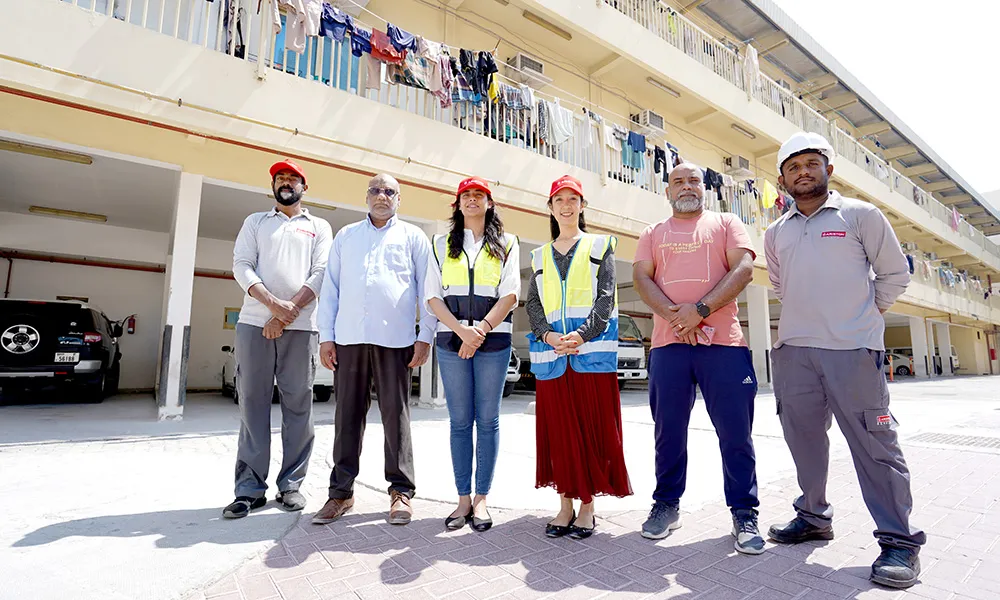
When people think of Dubai, images of the Burj Khalifa and luxury shopping malls usually come to mind. However, tucked away in the northeastern corner of the city lies Sonapur—a vital community that serves as the backbone of Dubai’s rapid development. Known officially as Al Muhaisnah 2 and 3, the name “Sonapur” (meaning “Land of Gold”) remains the most popular term used by the hundreds of thousands of residents who call it home.
Sonapur is far more than just a labor accommodation hub; it is a vibrant, self-sustaining city within a city. From authentic South Asian street food and bustling local markets like the Mango Market to a highly efficient public transport network, this area offers a unique cultural pulse that is rarely seen in tourist brochures. Whether you are looking for staff housing, navigating the local bus routes, or exploring the “real” Dubai, this guide covers everything you need to know.
Location & Geography: Where is Sonapur Located?
Strategically positioned in the northeastern part of Dubai, Sonapur falls within the Al Muhaisnah 3 district. It sits right on the edge of the Dubai-Sharjah border, making it a critical link for logistics and commuting between the two emirates. Its proximity to Sheikh Mohammed Bin Zayed Road (E311) ensures that residents and transport fleets can quickly access the rest of the UAE.
While it feels like a world of its own, it is surprisingly close to Dubai’s major hubs.
Travel Distance to Major Landmarks:
To help you plan your commute, here are the approximate driving times from the heart of Sonapur:
| Destination | Travel Time (By Car) |
| Dubai International Airport (DXB) | 15 – 20 Minutes |
| Dubai Mall & Burj Khalifa | 25 – 30 Minutes |
| Mirdif City Centre | 10 – 12 Minutes |
| Sharjah City Centre | 15 – 20 Minutes |
| Palm Jumeirah | 40 – 45 Minutes |
Exact Map Coordinates: * District: Al Muhaisnah 3
- GPS Reference: 25.2785° N, 55.4095° E
- Border Proximity: Less than 5km from the Sharjah Industrial Area.
Getting Around: Sonapur Dubai Public Transport Guide
Public transportation is the lifeblood of Sonapur. Because a large percentage of the population relies on RTA services, the area is exceptionally well-connected. Whether you are commuting to work in Downtown Dubai or heading to the Sharjah border, the network is designed for efficiency and affordability.
Key RTA Bus Routes
Multiple RTA bus routes operate 24/7, connecting Sonapur to major transit hubs and metro stations.
- Bus 13 & 13D: Direct routes to Gold Souq Bus Station and Al Qusais, perfect for reaching old Dubai.
- Bus 17: Connects Sonapur to Sabkha Bus Station.
- Bus 33: A vital link to Ghubaiba Bus Station in Bur Dubai.
- Bus 32C: Connects the area to Al Qusais Metro Station.
- Bus 13A: Another frequent service towards Gold Souq.
Metro Connectivity
While Sonapur does not have its own metro station, it is served by the Green Line and Red Line via feeder buses.
- Etisalat Metro Station (Green Line): The nearest station, accessible within 10–15 minutes via bus.
- Centrepoint (formerly Rashidiya – Red Line): Ideal for those heading towards Dubai Marina or JLT.
Pro-Commuter Tips:
Real-time Tracking: Use the S’hail app or Moovit to track live bus timings, as traffic near the Muhaisnah road can sometimes cause slight delays.
NOL Card: Ensure your NOL card is topped up at the small grocery stores or the bus station kiosks before traveling.
Peak Hours: Buses are extremely crowded between 6:00 AM – 8:00 AM and 6:00 PM – 8:30 PM. If you are visiting for leisure, try to travel mid-day.
Labor Accommodation & Housing in Sonapur
Sonapur is globally recognized as the largest dedicated hub for workforce housing in Dubai. The infrastructure here is specialized to accommodate a massive workforce, ranging from construction professionals to service industry staff. Unlike other residential areas, the housing market here focuses on staff accommodation and labor camps, offering high-capacity living solutions that are both cost-effective and compliant with UAE labor laws.
Key Features of Sonapur Labor Camps:
- Capacity & Configuration: Accommodations range from single-occupancy rooms for supervisors to shared rooms (typically 4, 6, or 8 persons) designed for large labor teams.
- Infrastructure: Most camps are managed by professional real estate firms like First Step Properties or Galadari Real Estate, ensuring that facilities include industrial-sized kitchens, dining halls, and laundry rooms.
- Amenities: Modern camps now prioritize worker welfare, featuring on-site gyms, recreational rooms, and prayer halls (Mosques).
What to Expect in Terms of Cost:
While prices fluctuate based on the age of the building and included services (like DEWA and Wi-Fi), Sonapur remains the most affordable district in Dubai.
Comparison: Compared to Al Quoz or Jebel Ali Industrial Area, Sonapur often provides better proximity to the Dubai-Sharjah corridor, making it a favorite for logistics companies.
Average Rent: Depending on capacity, rooms can range from AED 1,500 to AED 3,500 per month (inclusive of utilities in many cases).
Healthcare & Essential Services: Staying Safe in Sonapur
Because of its high population density, Sonapur is equipped with a robust healthcare infrastructure. It is home to some of the busiest medical centers in Dubai, specifically tailored to provide affordable and fast care for the community.
Top Medical Centers in Sonapur
If you or your staff need medical attention, these are the primary facilities:
- Aster Clinic (Sonapur): Perhaps the most well-known facility in the area, offering multi-specialty services, including General Medicine, Orthopedics, and Dentistry. It is highly rated for its experienced South Asian doctors.
- Sonapur Medical Center (Sona Pur Medical): A dedicated facility for the workforce that provides routine check-ups and emergency services.
- Salem Medical Center: A local favorite for quick consultations and affordable pharmacy services.
- Specialized Clinics: You will also find several specialized dental clinics and massage/rehabilitation centers that cater to the physical well-being of the hardworking residents.
Banking & Remittance (Sending Money Home)
For many in Sonapur, the most important service is the ability to send money home to their families.
- Exchange Clusters: You will find a “Financial Row” featuring Al Ansari Exchange, LuLu Exchange, and Joyalukkas Exchange.
- Pro-Tip: These centers are busiest on the 1st and 10th of every month (payday). If you need to send money, try visiting on a Tuesday or Wednesday morning to avoid long queues.
Community Facilities
- Mosques: There are numerous mosques throughout Al Muhaisnah 2 and 3, which serve as central community gathering points, especially during Friday prayers.
- Post Office & PO Box: While most residents use corporate PO Boxes, there are dedicated postal services available for international shipping and receiving documents.
Local Hidden Gems: The Mango Market & Beyond
Beyond the industrial buildings and housing blocks, Sonapur has a soul that reveals itself in its local markets and food stalls. If you want to experience the true essence of this community, there are a few spots you cannot miss.
The Famous Mango Market (Sonapur Market)
The Mango Market is the undisputed commercial heart of Sonapur. Don’t let the name fool you—it’s not just about mangoes! It is a massive open-air and semi-covered hub where you can find:
- Fresh Produce: The cheapest fruits and vegetables in Dubai, often brought in bulk for the worker communities.
- Apparel & Electronics: From heavy-duty work boots to international calling cards and budget-friendly smartphones.
- The Vibe: It is loudest and most vibrant after 6:00 PM when the workday ends and the market transforms into a bustling community center.
A Culinary Map: The Best “Desi” Food
If you are looking for authentic, home-style South Asian food that doesn’t break the bank, Sonapur is a hidden paradise.
- Authentic Cafeterias: You won’t find fancy decor here, but you will find the best Mutton Karahi, Chicken Biryani, and Daal Fry in the city. Many cafeterias serve fresh Tandoori Roti for as little as AED 1.
- Tea Culture: The “Karak Chai” stalls in Sonapur are legendary. For just AED 1, you can grab a cup of tea and join the thousands of residents who gather in the evenings to socialize.
- Street Snacks: On Friday afternoons, look out for small vendors selling fresh samosas, pakoras, and jalebis—a true taste of home for the South Asian diaspora.
Friday Night Sports
Every Friday, the open sand lots in Sonapur turn into stadiums. You will see hundreds of workers organized into teams for high-stakes Cricket and Football matches. It is a display of community spirit and talent that is unmatched anywhere else in the emirate.
Practical Information for Residents & Visitors
To make your stay or visit as smooth as possible, here are the essential “need-to-know” details about living and working in Sonapur.
Sonapur Dubai Postal Code & PO Box
Since Dubai does not use a traditional zip code system like the West, many people get confused.
- Postal Code: If a form requires a code, most residents use 00000 or the specific Makani Number of their building.
- PO Box: Most residents use their employer’s PO Box for official mail. However, the nearest major post office is in Al Qusais, which handles the bulk of the mail for the Muhaisnah district.
Weather & Best Time to Visit
Sonapur is an industrial and residential hub, so the weather mirrors the rest of Dubai but can feel slightly dustier due to the open grounds.
- Summer (May – September): Extremely hot and humid. Outdoor activities like the Mango Market are best visited after sunset.
- Winter (October – April): The “Golden Season.” This is the best time to explore the area on foot, watch Friday cricket matches, or enjoy outdoor street food.
Safety and Security
Is Sonapur safe? Yes, absolutely. Despite its dense population and industrial nature, Dubai’s strict laws and regular police patrols make Sonapur a very safe community for both residents and visitors. Whether you are walking to the bus station at 11:00 PM or visiting the market, you will find a respectful and hardworking community.
Conclusion: The Heart of Industrial Dubai
Sonapur Dubai (Al Muhaisnah) is much more than just a cluster of labor accommodations; it is a vital, bustling city within a city that keeps Dubai running. From the organized chaos of the Sonapur Bus Station to the incredible bargains at the Mango Market, the area offers a unique glimpse into the lives of the people who built the world’s most famous skyline.
Whether you are an HR manager seeking efficient staff housing, a resident navigating the RTA bus routes, or a curious traveler looking for the best Karak Chai in town, Sonapur provides a sense of community and resilience that is truly one of a kind. As the area continues to modernize with better healthcare facilities like Aster Clinic and improved infrastructure, Sonapur remains an essential and thriving part of the Dubai success story.
Frequently Asked Questions (FAQs)
What is the official name of Sonapur Dubai?
While widely known as Sonapur, the area is officially named Al Muhaisnah 2 and Al Muhaisnah 3. It is part of the Deira district in Dubai and serves as a major hub for residential and industrial workforce accommodation.
Which bus goes to Sonapur Dubai?
Several RTA buses serve the Sonapur area, including Bus 13, 13D, 17, 33, and 32C. These buses connect Sonapur to major areas like Gold Souq, Al Qusais, and Bur Dubai. The nearest metro station is Etisalat Metro Station (Green Line).
Where is the Mango Market located in Sonapur?
The Mango Market is located in the heart of Al Muhaisnah 3, Sonapur. It is a famous local landmark known for providing fresh fruits, vegetables, and daily essentials at the most affordable wholesale prices in Dubai.
Is Sonapur Dubai safe for visitors?
Yes, Sonapur is very safe. Like the rest of Dubai, it is strictly monitored by Dubai Police. Visitors frequently go there to explore the local South Asian food scene, visit the Mango Market, or watch community cricket matches on Fridays.
How much is the room rent in Sonapur labor camps?
Room rent in Sonapur typically ranges from AED 1,500 to AED 3,500 per month, depending on the building’s facilities and capacity. Most accommodations include utilities like electricity, water (DEWA), and sometimes Wi-Fi.

Hi! We’re the Travel Blog Dubai Team — passionate travelers who explore Dubai every day to bring you honest tips, best places to visit, budget ideas, and real experiences.Whether you’re planning your first trip or you live in the UAE, our guides help you discover the best of Dubai, hassle-free.