The United Arab Emirates is a country with a mix of religious and national celebrations. Residents and visitors often wonder about the difference between Islamic holidays and public holidays in UAE. Understanding these differences helps in planning travel, work schedules, and celebrations. In this guide, we will explain each type of holiday, their dates, and how they are observed across the country.
What Are Islamic Holidays in UAE?
Islamic holidays in the UAE are based on the Hijri (lunar) calendar. They move slightly every year because the lunar year is about 11 days shorter than the Gregorian year. The main Islamic holidays are religious in nature and are widely celebrated across the Muslim world.
Key Islamic Holidays
- Eid al-Fitr
- Date: At the end of Ramadan (changes yearly)
- Significance: Marks the end of the fasting month of Ramadan
- Things to do: Family gatherings, charity, prayers at mosques, festive meals, and traditional sweets
- Eid al-Adha
- Date: 10th of Dhu al-Hijjah (varies yearly)
- Significance: Commemorates Prophet Ibrahim’s willingness to sacrifice his son
- Things to do: Family celebrations, giving to charity, prayers, feasting
- Arafat Day
- Date: Day before Eid al-Adha
- Significance: Marks the climax of the Hajj pilgrimage
- Things to do: Muslims fast on this day, reflect, and prepare for Eid
- Islamic New Year
- Date: 1st Muharram (varies yearly)
- Significance: Marks the beginning of the Hijri calendar
- Things to do: Reflection, family gatherings, religious lectures
- Mawlid Al-Nabi (Prophet Muhammad’s Birthday)
- Date: 12th of Rabi’ al-awwal (varies yearly)
- Significance: Celebrates the birth of Prophet Muhammad
- Things to do: Religious events, prayers, charity
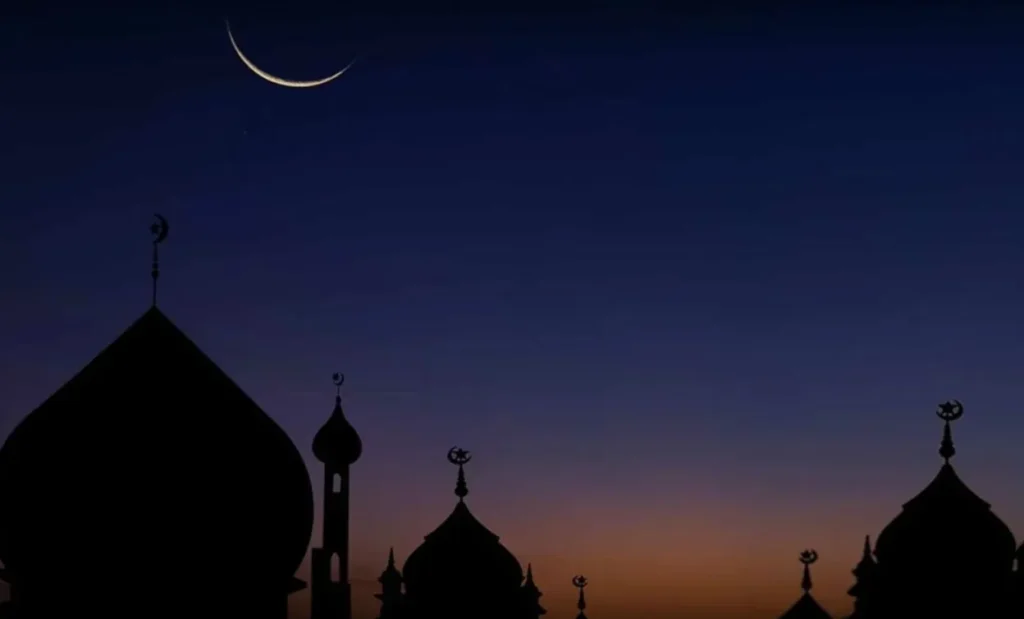
Key Fact: Islamic holidays do not have fixed Gregorian dates because they follow the lunar calendar. Moon sighting is required to confirm the exact day.
What Are Public Holidays in UAE?
Public holidays in the UAE are official holidays declared by the government. They include national celebrations and government-mandated days. Most public holidays are based on the Gregorian calendar, so their dates remain fixed or predictable.
Key Public Holidays
- National Day
- Date: 2nd December
- Significance: Marks the formation of the UAE in 1971
- Things to do: Fireworks, parades, flag displays, cultural events
- Commemoration Day (Martyrs’ Day)
- Date: 30th November
- Significance: Honors Emirati soldiers who lost their lives serving the nation
- Things to do: Ceremonies, flag hoisting, remembrance events
- New Year’s Day
- Date: 1st January
- Significance: Marks the start of the Gregorian calendar year
- Things to do: Fireworks, gatherings, celebrations across hotels and public areas
Key Fact: Public holidays in UAE are fixed or announced in advance. Private and public sector employees receive these holidays, but some dates may vary slightly for different emirates.
Main Differences Between Islamic and Public Holidays
Understanding the differences between Islamic and public holidays is simple when you compare key aspects:
| Feature | Islamic Holidays | Public Holidays |
|---|---|---|
| Calendar | Hijri (lunar) | Gregorian (solar) |
| Date | Changes every year | Fixed (mostly) |
| Purpose | Religious / spiritual | National / government |
| Observed by | Primarily Muslims | All residents & workers |
| Examples | Eid al-Fitr, Eid al-Adha, Mawlid | National Day, Commemoration Day, New Year |
| Activities | Prayers, charity, family gatherings | Ceremonies, parades, fireworks, civic events |
Summary: Islamic holidays are religious and lunar-based, while public holidays are national and mostly fixed.
How UAE Determines Holiday Dates
Islamic Holidays
- Moon sighting committees confirm the start of each Islamic month.
- Dates for Eid al-Fitr and Eid al-Adha are confirmed shortly before the holiday.
- This means Islamic holidays shift about 10–12 days earlier each Gregorian year.
Public Holidays
- UAE Cabinet officially announces dates for National Day and Commemoration Day.
- Gregorian holidays like New Year are fixed.
- Employers in private and public sectors must follow government announcements.
Cultural and Regional Practices
- Ramadan: During the holy month, public places adjust working hours. Many restaurants offer Iftar meals at sunset.
- Eid Celebrations: Families gather, children receive gifts, and mosques host prayers.
- National Day: Streets and buildings display UAE flags, and schools organize cultural programs.
- Regional Differences: Some events or holidays may be celebrated differently in Dubai, Abu Dhabi, Sharjah, or other emirates.
Practical Tips for Residents and Tourists
- Plan Ahead: Check the UAE official long weekends holiday calendar before booking flights or planning work.
- Know the Type of Holiday: Islamic holidays may affect working hours, while public holidays usually close offices and government institutions.
- Long Weekends: Combining weekends with public holidays gives opportunities for travel within the UAE or neighboring countries.
- Private Sector Employees: Some companies may adjust holiday pay or grant substitute days for Islamic holidays if they fall on weekends.
Frequently Asked Questions (FAQs)
1. What are Islamic holidays in UAE?
Islamic holidays include Eid al-Fitr, Eid al-Adha, Arafat Day, Islamic New Year, and Mawlid Al-Nabi. They follow the Hijri (lunar) calendar and change every year.
2. What are public holidays in UAE?
Public holidays are government-declared national holidays, including National Day, Commemoration Day, and New Year’s Day. Dates are mostly fixed on the Gregorian calendar.
3. Why do Islamic holidays change every year?
Islamic holidays are based on the lunar calendar, which is about 11 days shorter than the Gregorian calendar, so they move earlier each year.
4. Are all holidays observed by everyone in UAE?
Public holidays are observed by all residents and workers. Islamic holidays are religious and primarily observed by Muslims, though they are public holidays for employees.
5. How do moon sightings affect Islamic holidays?
The UAE confirms Islamic holidays after official moon sightings, so exact dates may only be announced a day or two in advance.
6. Can holidays affect travel and work in UAE?
Yes. During Eid or National Day, government offices may close, and flights, hotels, and public transport may be busier than usual. Planning ahead is recommended.
Conclusion
The UAE celebrates both Islamic and public holidays, each with its own significance and traditions. Islamic holidays are religious, lunar-based, and shift yearly, while public holidays are national, mostly fixed, and celebrate the country’s achievements. Understanding these differences helps residents, workers, and tourists plan their schedules effectively.
Whether you want to experience cultural traditions, enjoy public festivities, or respect local customs, knowing the difference between Islamic and public holidays in UAE is essential for a smooth and enjoyable experience in the country.

Hi! We’re the Travel Blog Dubai Team — passionate travelers who explore Dubai every day to bring you honest tips, best places to visit, budget ideas, and real experiences.Whether you’re planning your first trip or you live in the UAE, our guides help you discover the best of Dubai, hassle-free.