
What is Dubai Chocolate?
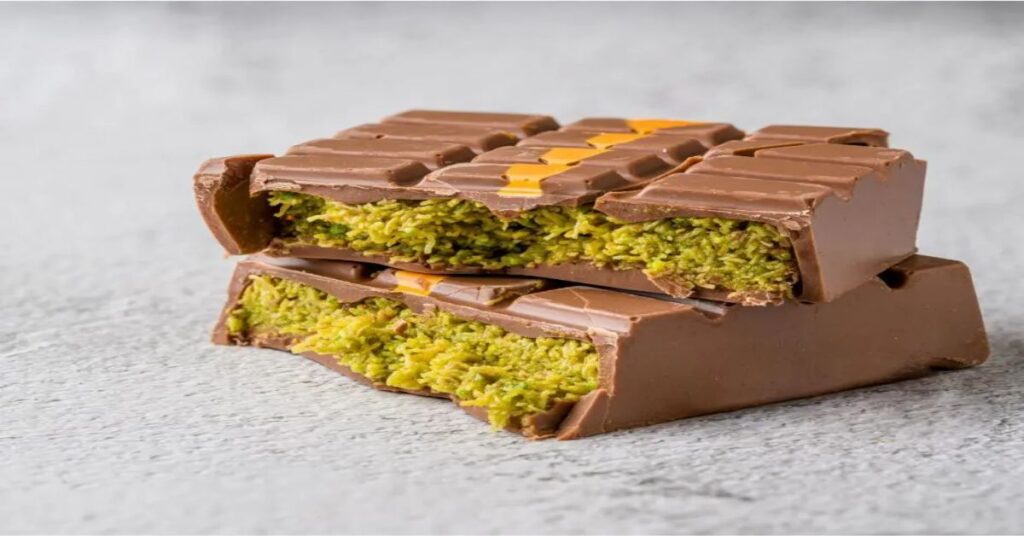
Dubai chocolate is a thick milk chocolate bar filled with a sweet pistachio-tahini cream and kadayif (chopped filo pastry). This innovative dessert creation has become a global phenomenon, captivating food enthusiasts worldwide with its unique combination of textures and Middle Eastern flavors.
The chocolate bar stands apart from traditional confections through its distinctive three-layer composition: a smooth premium chocolate shell, a creamy pistachio filling enriched with tahini, and crispy toasted kataifi pastry that provides an unforgettable crunch.
The Origin Story: From Pregnancy Craving to Global Sensation
The Dubai chocolate bar was created in 2021 by Sarah Hamouda, a British-Egyptian entrepreneur, during her pregnancy when she craved something unique that didn’t exist in typical desserts. Working alongside Filipino chef Nouel Catis Omamalin, they formed Fix Dessert Chocolatier, an Emirati chocolatier in Dubai.
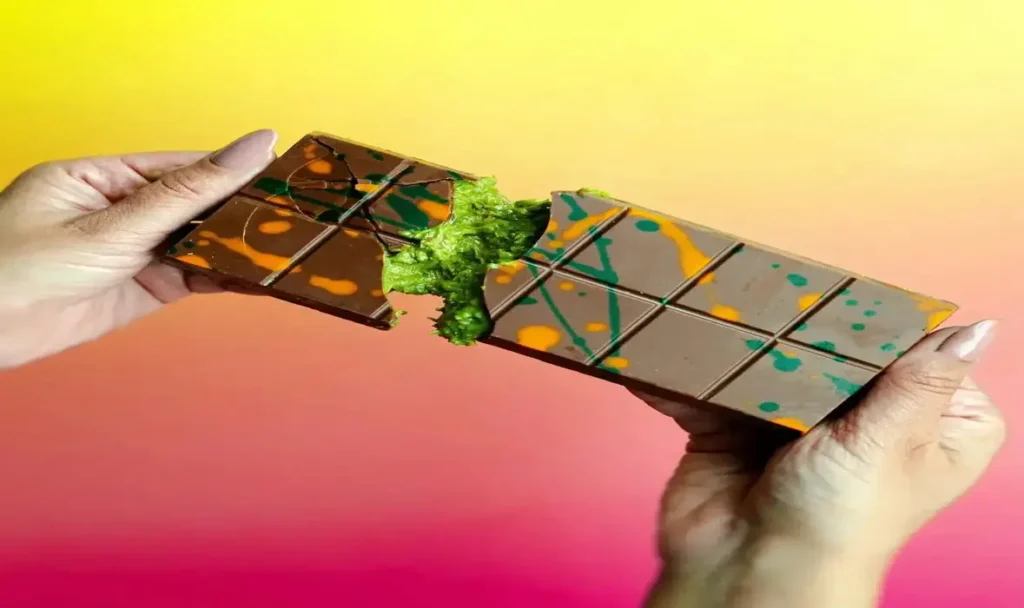
The flagship product, “Can’t Get Knafeh of It,” was launched in 2022 and contained pistachio, tahini and kadayif, covered in distinctive yellow and green patterns. What started as a small operation making 25 bars daily by hand would soon become an international phenomenon.
The Viral Moment That Changed Everything
Everything changed when Ukrainian influencer Maria Vehera posted a TikTok video trying the “Can’t Get Knafeh of It” bar, which quickly gained over 100 million views. The viral video led to an astonishing 30,000 orders in just one hour, overwhelming the small Dubai operation.
A now-viral ASMR video of TikTok food influencer Maria Vehera eating a bar in her car has been viewed more than 56 million times, and hundreds of people have since filmed their own reactions to the bars.
Dubai Chocolate Ingredients: What Makes It Special
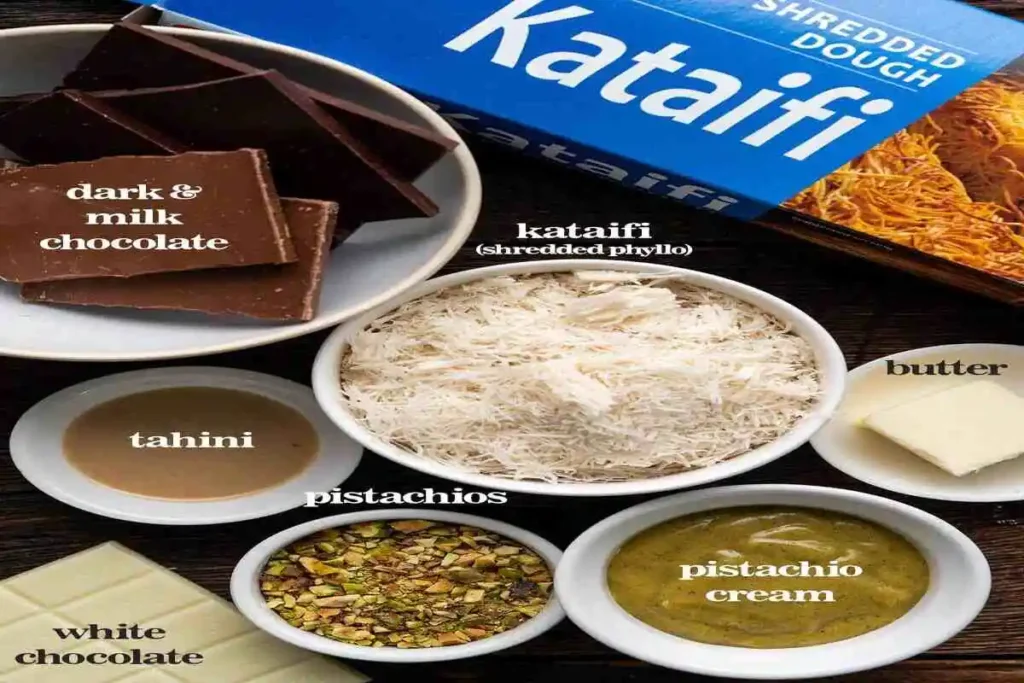
The magic of Dubai chocolate lies in its carefully selected ingredients that create a perfect balance of flavors and textures.
Essential Ingredients
Milk Chocolate Shell High-quality chocolate is essential, with brands like Callebaut milk chocolate chips being popular choices for development. The chocolate provides the rich, smooth exterior that holds everything together.
Kataifi Pastry (Kadayif) Kataifi is thin, vermicelli-like strands of fresh pastry dough that are butter-toasted until golden-brown and crispy, maintaining an airy texture even when coated in pistachio butter. This ingredient is the secret to the bar’s signature crunch.
Pistachio Butter/Cream Pistachio cream, which is much sweeter than regular nut butters and similar to a pistachio-flavored spread, provides the rich green color and distinctive nutty flavor. The quality of pistachio cream directly impacts both the taste and visual appeal of the final product.
Tahini Paste Tahini adds nutty, savory flavor that helps balance the sweetness of the pistachio butter and milk chocolate. This ingredient is crucial for preventing the bar from becoming overly sweet.
Additional Components
- Unsalted butter for toasting the kataifi
- White chocolate for decorative drizzle
- Optional green food coloring for aesthetic appeal
- Pinch of salt for flavor balance
How to Make Dubai Chocolate at Home: Step-by-Step Recipe
Making authentic Dubai chocolate at home requires specific ingredients and tools, but the process is surprisingly achievable.
Required Equipment
A 1-inch deep chocolate bar mold is essential for shaping the bars with a clean, polished look, though a loaf pan lined with parchment paper can serve as an alternative.
Dubai Chocolate Recipe Instructions
Step 1: Toast the Kataifi Melt butter in a large nonstick skillet over medium heat, add coarsely chopped kataifi pastry dough, and cook while stirring occasionally until golden-brown and crispy, approximately 8 to 10 minutes. Transfer to a bowl immediately.
Step 2: Prepare the Pistachio Filling Mix pistachio cream and tahini until smooth, as the tahini will loosen the pistachio cream and create a decadent soft filling. Combine with the cooled, toasted kataifi strands.
Step 3: Create the Chocolate Shell Generously brush the inside of the silicone mold with tempered chocolate to form an even layer, or fill the mold and tip it upside down to create the shell. Refrigerate until set.
Step 4: Add White Chocolate Design Drizzle the colored white chocolate design on the bottom of the mold, which becomes the top of the chocolate bar. Use no more than three colors for best results.
Step 5: Assemble the Bar Fill the mold with the pistachio mixture, leveling it with the back of a spoon or spatula, then cover the filling with remaining tempered chocolate, ensuring it seals the edges completely.
Step 6: Set and Unmold Refrigerate until completely set, at least 40 minutes, then remove the bars from the mold and trim any overhanging chocolate with a knife if desired.
Storage and Shelf Life
Refrigerate the bars in an airtight container for up to 3 weeks, or freeze them for up to 3 months for longer storage.
Dubai Chocolate Variations and Flavors
While the classic pistachio-knafeh combination remains most popular, creative variations have emerged globally.
Popular Flavor Combinations
- Classic Pistachio Knafeh: The original that started it all
- Dark Chocolate Version: Replace milk chocolate with high-quality dark chocolate for a less sweet option
- Ruby Chocolate Drizzle: Pink design instead of white chocolate
- Date and Pistachio: Incorporating traditional Arabic dates
- Karak-Infused: Spiced tea flavors blended into the filling
Dubai Chocolate Cups Alternative
Dubai Chocolate Cups offer an easier alternative, made with only 4 ingredients and created in cupcake liners or chocolate molds for individual servings. This format provides the same flavors with simplified assembly.
Where to Buy Dubai Chocolate
Original Fix Dessert Chocolatier
The original FIX bars are only available in Dubai through the Deliveroo delivery app, with limited stock released twice daily at 2 PM and 5 PM, typically selling out within minutes. At AED68 (approximately €16), the original bars command premium pricing.
Commercial Alternatives
As the product gained popularity, large scale manufacturers such as Lindt began producing and marketing their own versions as Dubai Chocolate. These alternatives are available at:
- Major supermarket chains (Waitrose, Aldi, Lidl)
- Online retailers worldwide
- Specialty chocolate shops
- Dubai Duty Free (sold $22m worth in Q1 2025)
Homemade Options
Given the scarcity and high prices of authentic bars, many enthusiasts have turned to making their own. The homemade route offers:
- Cost savings (typically $8-12 per bar vs. $25+ for originals)
- Customization opportunities
- Immediate availability without wait times
- The satisfaction of crafting artisanal chocolate at home
Dubai Chocolate Nutrition and Dietary Considerations
Nutritional Profile
A typical Dubai chocolate bar (approximately 100g) contains:
- Calories: 500-600 kcal
- Fat: 35-40g
- Carbohydrates: 45-50g
- Protein: 10-12g
- Sugar: 30-35g
Allergen Information
Dubai chocolate contains multiple allergens:
- Tree nuts (pistachios)
- Dairy (milk chocolate)
- Gluten (kataifi pastry made from wheat flour)
- Sesame (tahini)
A study found that some samples from Turkey contained traces of undeclared sesame, which may be dangerous for people allergic to sesame.
Quality Concerns
A study by the Baden-Württemberg Ministry of Consumer Protection tested eight imported samples and found all eight were considered defective, with five containing fats other than cocoa butter, which is not permitted in products labeled chocolate in Germany.
The Cultural Significance of Dubai Chocolate
Middle Eastern Heritage
The Dubai chocolate bar represents a modern interpretation of traditional Arabic desserts. Knafeh is an Arab dessert made from phyllo dough that’s closely linked with festive traditions like Eid al-Fitr and Eid al-Adha.
This fusion of heritage ingredients with contemporary chocolate-making techniques has created a unique form of culinary diplomacy, introducing global audiences to Middle Eastern flavors.
Social Media Phenomenon
The interior’s bright colors have been credited with some of the product’s success, as the visual appeal is important on social media platforms such as TikTok and Instagram. The ASMR-friendly crunch and gooey texture make it perfect for viral video content.
Global Impact
The popularity of Dubai chocolate has exacerbated the shortage of pistachios worldwide since 2024, demonstrating the significant market influence of this viral trend.
Dubai Chocolate vs Traditional Chocolate Bars
Texture Comparison
- Traditional chocolate bars: Smooth, uniform texture throughout
- Dubai chocolate: Multi-textural experience with crunchy, creamy, and smooth elements
Flavor Profile
- Traditional bars: Simple chocolate flavor, possibly with basic additions like nuts or caramel
- Dubai chocolate: Complex flavor profile combining chocolate, pistachio, tahini, and pastry
Production Method
- Traditional bars: Mass-produced in factories with consistent results
- Dubai chocolate: Originally handcrafted in small batches, though commercial versions now exist
Price Point
- Traditional bars: $2-5 for premium options
- Dubai chocolate: $15-35+ depending on source and authenticity
Tips for Perfect Homemade Dubai Chocolate
Critical Success Factors
1. Achieve Maximum Crunch The crunchiness of the kataifi pastry is very important, so take time to ensure all of the kataifi pastry is toasted until golden, separating clumps before using.
2. Proper Chocolate Tempering Heat chocolate to specific temperatures: 105-110°F (40-43°C) for milk chocolate, then cool to 79-80°F (26°C), and reheat to 85°F (29°C) for proper tempering. However, if storing bars in the fridge, tempering is less critical.
3. Quality Ingredients Matter Pistachio cream is made of ground pistachios, milk powder and oil, and differs from homemade pistachio paste which is too wet and will make the kataifi soggy.
4. Mold Considerations Use silicone chocolate molds as they make it easiest to unmold the chocolate bars, allowing them to pop right out.
5. Allow Adequate Freezing Time Don’t skip the freezer time, as each freezing stage at different steps is important for setting the chocolate properly.
Common Mistakes to Avoid
- Using homemade pistachio paste instead of commercial pistachio cream
- Insufficiently toasting the kataifi (it should be deep golden)
- Skipping the tahini (it balances the sweetness)
- Overfilling the molds
- Not allowing adequate setting time
The Business Success Story Behind Dubai Chocolate
Entrepreneurial Journey
Sarah Hamouda attributes the brand’s virality to core principles: trusting intuition, focusing on the product quality, and scaling cautiously despite massive demand.
Despite clamoring from thousands of new customers, Hamouda chose to scale up very cautiously, maintaining quality standards while keeping the product somewhat scarce.
Market Expansion
Dubai Duty Free sold $22m worth of various brands of Dubai chocolate in the first quarter of 2025, equivalent to 1.2 million bars, demonstrating the massive commercial appeal.
Copycat Competition
While the shortage has led to many candy bars inspired by Dubai’s viral chocolate hitting online retail platforms, Hamouda is flattered rather than concerned, with the imitation serving as testament to the original’s influence.
Why Dubai Chocolate Became So Popular
The Perfect Storm of Virality
Several factors contributed to the explosive popularity:
- Visual Appeal: The bright green pistachio filling and decorative chocolate patterns are highly photogenic
- ASMR Factor: The crunchy texture creates satisfying sounds perfect for social media
- Novelty Factor: Unique combination of ingredients not found in traditional Western chocolates
- Scarcity Marketing: Limited availability created urgency and desire
- Cultural Fusion: Authentic Middle Eastern flavors presented in accessible chocolate bar format
- Influencer Power: Strategic social media presence and organic viral moments
Psychological Appeal
The Dubai chocolate taps into multiple consumer desires:
- Exclusivity: Limited drops and geographic restrictions increase desirability
- Nostalgia: For those from the Middle East, it evokes childhood dessert memories
- Adventure: Offers exotic flavor experience without travel
- Status: Owning or making the trendy item provides social currency
Dubai Chocolate in Popular Culture
Media Coverage
The phenomenon has been covered by major outlets including CNN, TIME Magazine, BBC, and countless food blogs, cementing its status as a cultural moment rather than fleeting trend.
Celebrity Endorsements
Emirates airline flew FIX chocolate bars from Dubai to New York to share with invited guests at their newly redesigned Emirates Suite at Arthur Ashe Stadium, showcasing the bar’s premium status.
Global Recreations
From New Zealand to Germany, home bakers and professional chocolatiers worldwide have created their own interpretations, with some entrepreneurs building entire businesses around Dubai-style chocolate bars.
Frequently Asked Questions About Dubai Chocolate
What does Dubai chocolate taste like?
Dubai chocolate offers a unique combination of smooth milk chocolate, rich pistachio cream with subtle nutty tahini notes, and an addictive crispy crunch from toasted kataifi pastry. The overall experience is simultaneously creamy, crunchy, sweet, and slightly savory.
Can I make Dubai chocolate without tahini?
While traditional Dubai chocolate bars call for tahini, some prefer the flavor without it and omit it entirely. However, tahini adds important balance to prevent excessive sweetness.
Where can I find kataifi pastry?
Kataifi pastry can be found at Mediterranean or Middle Eastern grocery stores in the refrigerated section. It’s also available frozen or dried online.
How long does homemade Dubai chocolate last?
When properly stored in an airtight container in the refrigerator, homemade Dubai chocolate bars maintain quality for up to 3 weeks. For longer storage, freeze for up to 3 months.
Is Dubai chocolate actually from Dubai?
The original “Can’t Get Knafeh of It” was created and is still exclusively produced in Dubai by Fix Dessert Chocolatier. However, many commercial versions labeled “Dubai chocolate” are manufactured elsewhere, leading to trademark disputes.
Why is Dubai chocolate so expensive?
The high price reflects several factors: premium ingredients (quality pistachios and chocolate), labor-intensive handcrafted production, limited daily quantities, and significant demand exceeding supply. The original Fix bars also include the premium positioning and brand cachet.
The Future of Dubai Chocolate
Sustainability Concerns
The popularity of Dubai chocolate has exacerbated the worldwide pistachio shortage since 2024, raising questions about long-term sustainability of ingredients.
Market Evolution
As major chocolate manufacturers enter the market, the Dubai chocolate category is likely to segment into:
- Premium artisanal products maintaining high quality and price points
- Mid-range commercial versions offering accessibility
- Budget alternatives with simplified recipes
- Specialty variations exploring new flavor combinations
Innovation Opportunities
The Dubai chocolate success has opened doors for other Middle Eastern-inspired chocolate creations, potentially featuring ingredients like:
- Date paste fillings
- Halva-based centers
- Saffron-infused chocolate
- Orange blossom water accents
- Cardamom-spiced varieties
Conclusion: Why Dubai Chocolate Matters
Dubai chocolate represents more than a viral food trend. It demonstrates how traditional flavors can be reimagined for modern audiences, how social media can transform small businesses into global phenomena, and how food serves as cultural ambassador introducing international ingredients to new markets.
An article about Dubai Chocolate’s fame describes it as a rare combination of creativity, flavors and social media success that has broken all industry records.
Whether you’re seeking to purchase the original Fix bars, recreate the experience at home, or simply understand this cultural moment, Dubai chocolate offers a fascinating case study in 21st-century food trends. Its combination of authentic heritage, innovative presentation, and digital-age marketing created a perfect storm that continues to influence the global chocolate industry.
The phenomenon shows no signs of slowing, with new variations, commercial products, and creative interpretations emerging constantly. As more people discover the unique pleasure of crispy kataifi meeting creamy pistachio in smooth chocolate, the Dubai chocolate legacy continues to grow—one crunchy, satisfying bite at a time.
Stay tuned with Travel Blog Dubai

Hi! We’re the Travel Blog Dubai Team — passionate travelers who explore Dubai every day to bring you honest tips, best places to visit, budget ideas, and real experiences.Whether you’re planning your first trip or you live in the UAE, our guides help you discover the best of Dubai, hassle-free.